REVIEW · AUSTIN
Austin: Neill-Cochran House Museum
Book on GetYourGuide →Operated by Neill-Cochran House Museum · Bookable on GetYourGuide
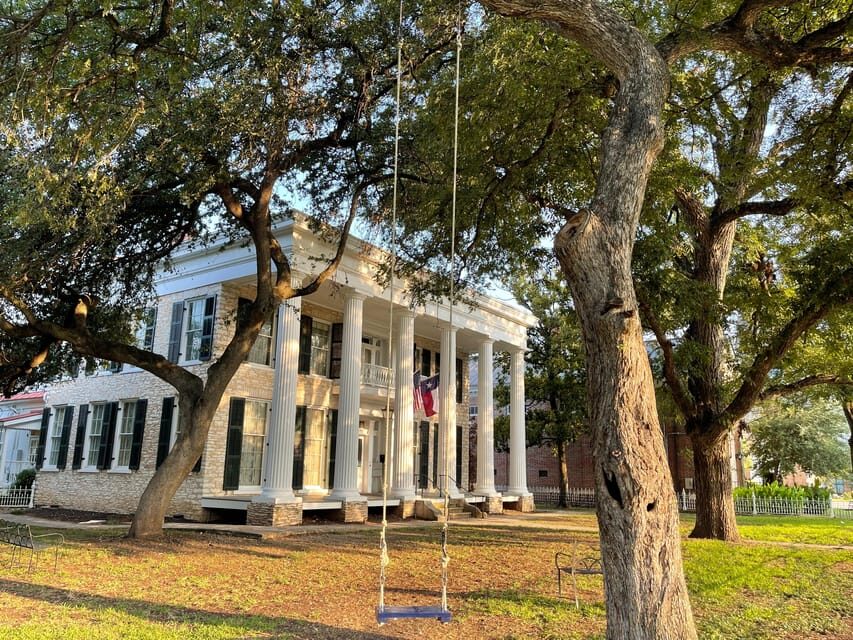
Nothing beats a real old house downtown. The Neill-Cochran House Museum lets you walk through historically furnished rooms in Austin’s oldest surviving residence area (1856), then pair it with rotating art and history exhibits that keep the visit from feeling stuck in the past. I especially like how the museum connects Austin’s story from the city’s birth in 1839 through 1930 in a way that’s easy to follow. One thing to consider: the deeper docent-led experience isn’t the default, and it’s limited to groups of 6+ arranged ahead.
I love two things here. First, the museum’s only intact slave quarters in Austin makes the history feel unfiltered and concrete. Second, you get to use a self-guided audio tour so you can set your own pace through the rooms and exhibits at a comfortable speed.
My only caution is timing and access. You can do self-guided anytime the museum is open for your time slot, but docent-led tours require advance arrangement for groups of 6 or more, so solo visitors and small parties should plan around the audio tour experience.
In This Review
- Key highlights you’ll actually feel
- Why the Neill-Cochran House Museum feels different than a typical museum
- Tickets, time slots, and how $10 becomes good value
- Entering through the front desk: where your visit actually starts
- The self-guided audio tour: freedom with guardrails
- First-floor historic rooms: how the timeline shows up in real space
- The standout: Austin’s last intact slave dwelling
- Rotating exhibitions that keep the house connected to today
- Practical details that make your visit smoother
- Who should book this museum (and who might skip it)
- Should you book the Neill-Cochran House Museum experience?
- FAQ
- How much is the Austin: Neill-Cochran House Museum experience?
- How long is the experience valid?
- Is a self-guided audio tour included?
- Are docent-led tours available for small groups?
- Where can I park for the museum?
- Are pets allowed inside?
Key highlights you’ll actually feel
- Austin’s only intact slave quarters inside a house museum setting, not a distant “marker.”
- Historically furnished rooms that follow Austin’s timeline from 1839 to 1930.
- Self-guided audio tour for flexibility, plus access to rotating exhibits.
- First-floor wheelchair-accessible rooms, exhibits, and restrooms.
- Rotating exhibits that add modern context, including Juneteenth rodeo photography and Freemasonry at the site.
Why the Neill-Cochran House Museum feels different than a typical museum
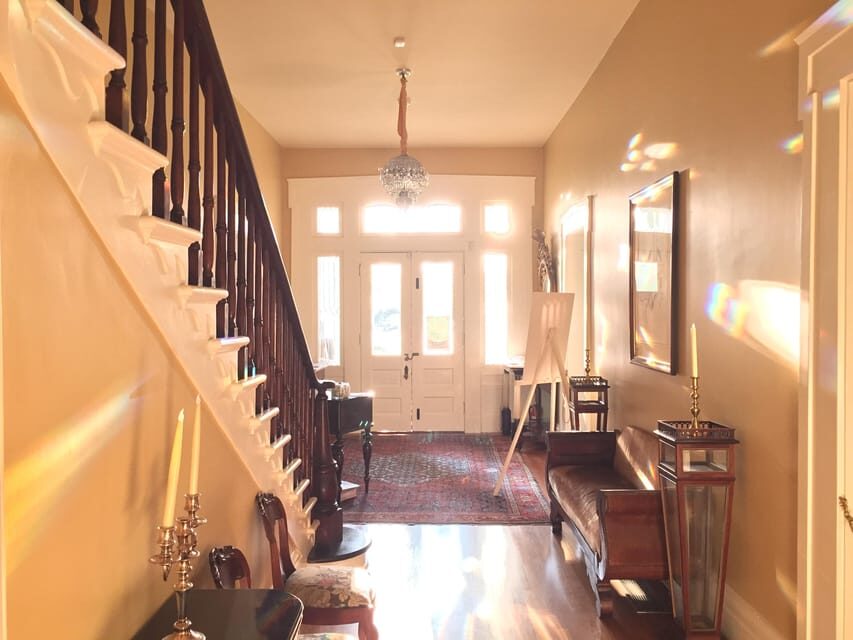
This is the kind of place that rewards slow wandering. The Neill-Cochran House Museum is a real residence from 1856, so you’re not just looking at a collection behind glass. You’re moving through rooms built for living, with the furnishings and layout doing part of the storytelling.
What makes it especially compelling is the museum’s mix of house history and exhibition history. The historic rooms give you a foundation, while the rotating art and history exhibits help you connect that foundation to later chapters of Austin life. That two-layer approach is why the museum works for first-time visitors and people who already know the usual Austin basics.
And the setting is convenient. It’s just a few minutes’ walk from the UT Austin campus, which makes it a smart option when you want something meaningful between meals or before a show.
Other museums and cultural sites in Austin


Tickets, time slots, and how $10 becomes good value
The price is $10 per person, and that matters because you’re buying into more than one attraction. You’re paying for access to the full historic site plus the rotating exhibitions, and you also get a self-guided audio tour included.
The real value is that the audio tour lets you control the pace. If you like reading and looking closely, you can spend time in the rooms. If you prefer to keep moving, you can move faster and still hit the key spaces. For most people, a house museum can feel like “one room after another.” Here, the exhibits help break that up.
Duration is listed as valid for 1 day, with starting times to check availability. That means you’re not trapped into some rigid half-hour slot. You can pick a time that fits your day in Austin.
Entering through the front desk: where your visit actually starts
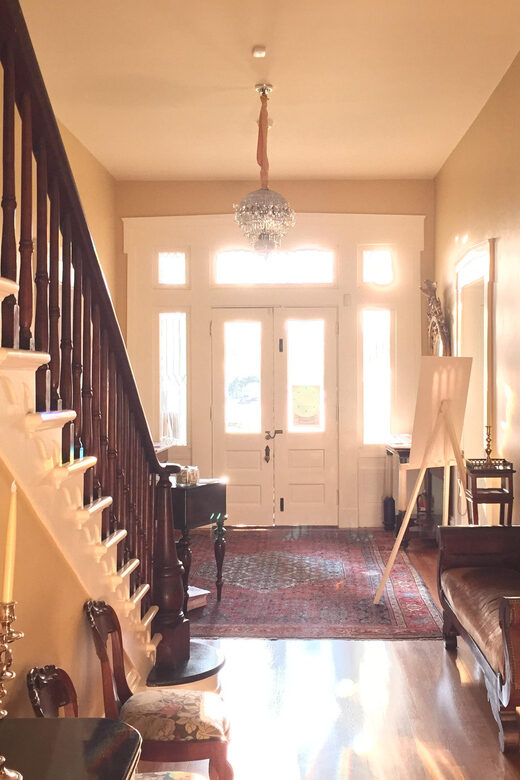
Plan to start at the front entrance, register at the front desk, and begin your tour right there. Your activity ends back at the meeting point, so it’s a loop, not a one-way walkthrough.
That matters because you don’t have to guess where to begin. You get oriented, then the museum hands you the structure: historically furnished spaces plus access to rotating exhibitions, guided by your self-guided audio tour.
If you’re doing this in a group, the museum is set up for private group formats too. Docent-led tours are different, though. Those are limited to groups of 6 or more and must be arranged 3 days in advance, so if you’re hoping for a live guide chat, you’ll want to plan early.
The self-guided audio tour: freedom with guardrails
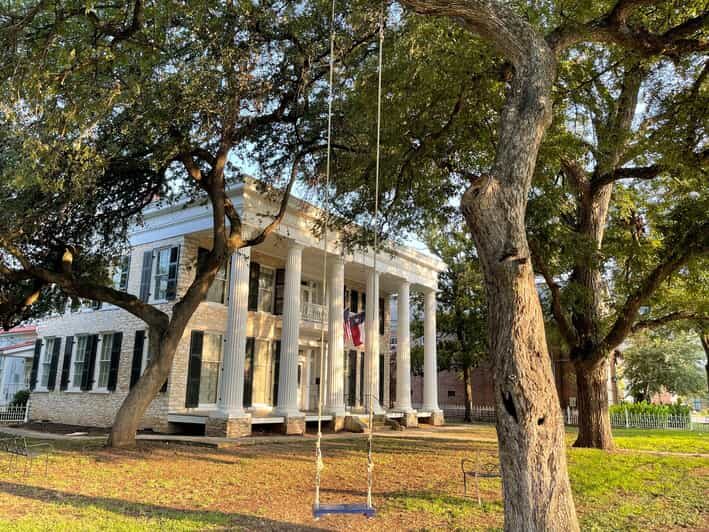
Your included experience is a self-guided audio tour. That’s the big advantage if you don’t want to book your day around a specific tour schedule.
The audio approach also fits the museum’s layout. You can take time in the historic rooms, then pivot to the rotating exhibits without feeling rushed. If you want to focus on the big themes—Austin’s growth, everyday life, and the darker realities tied to enslaved labor—you can stay with the audio points that match your interests.
One practical tip: if you head to second-floor exhibits, interpretive materials are available upon request. That’s helpful if you want more context than what you might pick up from walking through alone. Just ask when you’re on-site.
First-floor historic rooms: how the timeline shows up in real space
On the first floor, you’ll find historic rooms, exhibits, and restrooms that are wheelchair accessible. That’s a big plus because it lets you experience most of the museum without having to choose between “comfort” and “access.”
The museum shares Austin and Texas history from the city’s birth in 1839 up to 1930, and the house does that in a way that’s easier to grasp than a purely chronological gallery. In a historic residence, the rooms can show you how domestic life, social systems, and changing ideas of the era all lived side by side.
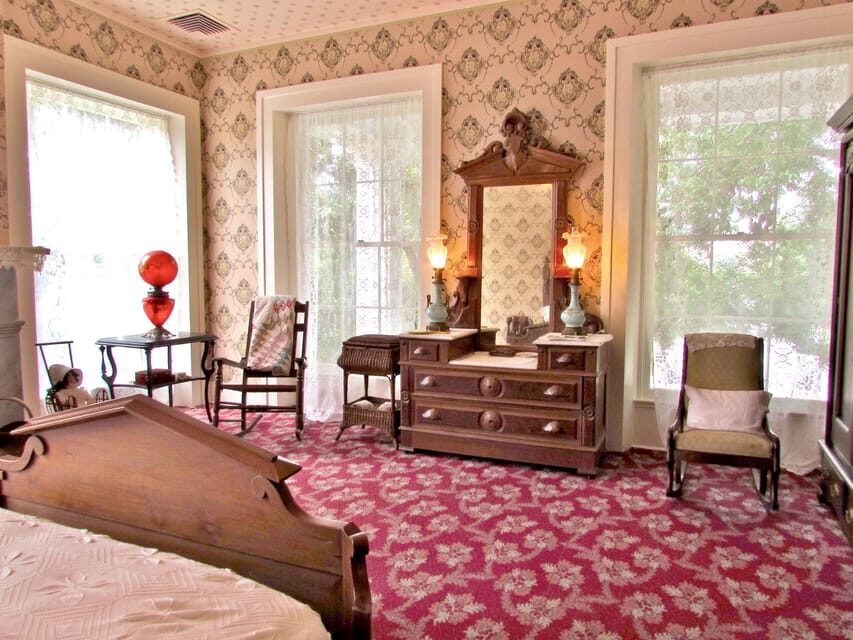
Expect historically furnished spaces that help you visualize the era, not just read about it. You’ll also have access to the rotating art and history exhibitions, which means the visit doesn’t only feel like “past lives behind doors.” It feels like past lives, plus the museum’s ongoing conversation with what that past means now.
Other museum experiences in Austin

The standout: Austin’s last intact slave dwelling
If you do just one thing at the museum, make it the spaces tied to enslaved life. The Neill-Cochran House Museum includes Austin’s only intact slave quarters—often described as the last intact slave dwelling in the city.
This part of the visit can be heavy, but it’s also one of the most important reasons to come. It turns history from a general lesson into something you can stand inside and look at with your own eyes. That matters because it removes distance. You don’t have to imagine what the conditions might have been like—you’re confronted with the physical presence of enslaved quarters as part of Austin’s built history.
I find these sections work best when you slow down. Don’t try to “power through” them while you’re thinking about your next stop. Let the audio tour do its job, then take a moment to look around. The house’s survival and preservation make the contrast sharper between what was normalized for some people and what was forced on others.
Rotating exhibitions that keep the house connected to today
The rotating exhibits are where the museum keeps moving. You’re not locked into only the historic furnishings. You also get access to changing art and history shows, which recent themes prove are often tied to Black history and civic identity.
Recent examples include:
- A Juneteenth Rodeo, with Sarah Bird’s photography of 1970s Black rodeos
- Freemasonry and the NCHM, which looks at the impact of Freemasons on the site and the city of Austin
I like this mix because it avoids the trap of treating history as either “tour content” or “museum content.” Instead, you see how people reshaped culture and institutions over time. The house provides the earlier setting, then the exhibitions show how stories continued to evolve through the twentieth century.
Even if you come in expecting “just old house stuff,” the rotating exhibits often change your mental frame. You may leave thinking about how community, power, and tradition were built—then rebuilt—across generations.
Practical details that make your visit smoother

Here’s what to know before you go so you can focus on the museum itself.
Parking: Free parking is available behind the museum, off 23rd Street between San Gabriel Street and Leon Street. That’s a handy setup if you’re trying to avoid getting tangled in campus traffic.
What’s included: Your ticket includes the self-guided audio tour and access to every part of the historic site plus rotating exhibitions.
What’s not included: Docent-guided tours are not included. They’re limited to groups of 6 or more and must be arranged 3 days in advance.
Rules you’ll need to follow: The museum doesn’t allow food and drinks, pets (assistance dogs allowed), red wine, selfie sticks, vaping, alcohol and drugs, fireworks, or explosive substances. You also can’t touch exhibits, and bare feet aren’t allowed. Most museums have rules like these, but here they’re worth noting because it keeps the rooms and objects protected—especially in a site with historic furnishings.
Accessibility basics: First-floor historic rooms, exhibits, and restrooms are wheelchair accessible. For second-floor exhibits and displays, interpretive materials are available upon request.
Who should book this museum (and who might skip it)
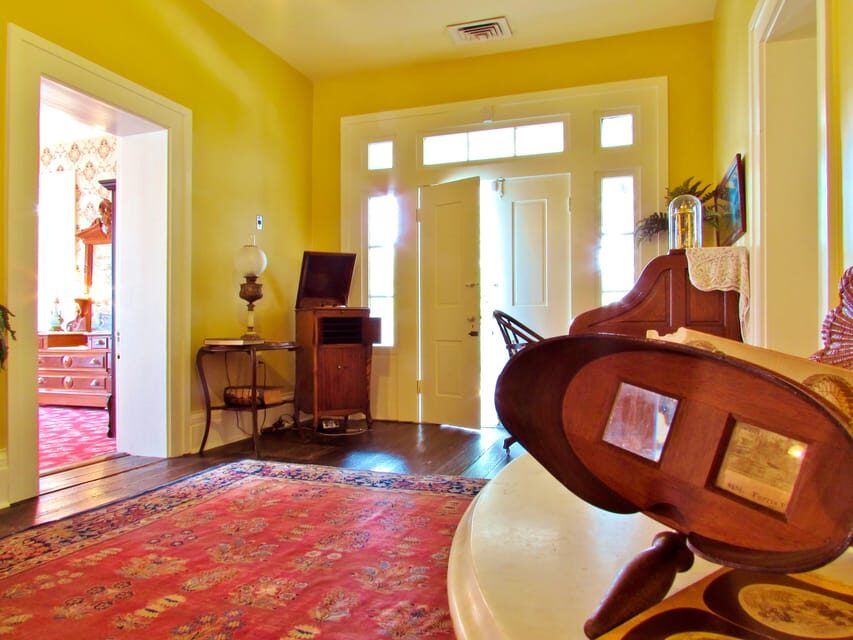
You should book the Neill-Cochran House Museum if you want a high-value Austin history stop that’s close to UT and not just a photo-op. It’s ideal when you like structure—rooms, objects, timeline—and you also want the museum to address difficult history directly, not indirectly.
It’s also a great fit if you travel at your own pace. The self-guided audio tour makes it easy to slow down for the parts you care about, then move on when you’re ready.
You might consider a different option if you’re expecting a private, one-on-one guide. Unless your group fits the docent requirement (6+ arranged 3 days ahead), you’ll be on your own with the audio tour and interpretive materials.
Should you book the Neill-Cochran House Museum experience?
For me, the decision is simple: yes, book it if you want a compact Austin stop that mixes historically furnished rooms with rotating exhibits and a visit to Austin’s only intact slave quarters. At $10, you’re getting more than entry into a house—you’re getting context, a timeline, and rotating shows that keep the story from feeling stuck.
Book it especially if you’re already in the UT Austin area and want something meaningful that doesn’t require a full afternoon. If you’re coming with a group of 6+ and you want a docent-led tour, plan ahead so you can request that format instead of relying on the self-guided option.
If you’re sensitive to heavy subject matter, you’ll still be able to choose your pacing. The key is to be ready for the museum to do what it’s designed to do: show the history in real space.
FAQ
How much is the Austin: Neill-Cochran House Museum experience?
It costs $10 per person.
How long is the experience valid?
The ticket is valid for 1 day. You’ll need to check availability to see starting times.
Is a self-guided audio tour included?
Yes. The self-guided audio tour is included. Docent-guided tours are not included.
Are docent-led tours available for small groups?
Docent-led tours are limited to groups of 6 or more and must be arranged 3 days in advance.
Where can I park for the museum?
There is free parking behind the Museum, off 23rd Street between San Gabriel Street and Leon Street.
Are pets allowed inside?
Pets are not allowed, but assistance dogs are allowed.